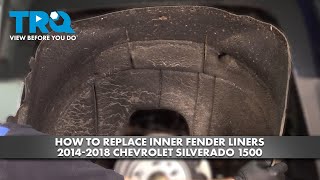
<p>A ripped fender liner on a Chevy Silverado can turn a minor scrape into a roadside problem. The plastic or composite wheel well liner may drag on the tire, rub through wiring, or expose sensitive components to road debris. The goal of an emergency fix is simple: stop the liner from causing further damage and get the truck to a safe location or repair shop. With basic tools and a few common materials, you can secure or remove the damaged liner without making things worse.</p>
<h2>Assess the Damage Before You Start</h2>
<ul>
<li>Park on level ground, set the parking brake, and chock the wheels.</li>
<li>Turn the steering wheel fully in the opposite direction of the damaged side. This gives you room to work inside the wheel well.</li>
<li>Use a flashlight to locate the tear. Chevy Silverado fender liners are usually held by 7mm hex screws, push pins, and Christmas-tree clips.</li>
<li>Check for tire contact. If the liner touches the tire, do not drive until you secure or remove the loose section.</li>
<li>Look for exposed parts: wiring harnesses, ABS sensor wires, brake lines, washer fluid lines, and air intake components.</li>
<li>Decide whether the liner can be reattached or must be removed. A small tear near a mounting hole is easy to secure. A large shredded section that drags on the ground should be cut away.</li>
</ul>
<p>Keep these tools in your truck for emergency repairs:</p>
<ul>
<li>Zip ties (heavy-duty, 8- to 14-inch)</li>
<li>Duct tape or high-strength gorilla tape</li>
<li>Utility knife or scissors</li>
<li>Pliers and a 7mm nut driver or socket</li>
<li>Wire or baling wire</li>
<li>Self-tapping screws with fender washers</li>
<li>Gloves and a flashlight</li>
</ul>
<h2>Secure a Partially Ripped Liner with Zip Ties and Tape</h2>
<p>Zip ties are the fastest emergency fix for a Silverado fender liner. They are strong, flexible, and work with existing holes.</p>
<ul>
<li>Clean the area around the tear with a rag. Dirt and grease prevent tape from sticking.</li>
<li>Locate existing mounting holes, push-pin holes, or slots in the metal frame.</li>
<li>Thread a heavy-duty zip tie through the liner and the nearest metal hole. If the hole is too large, use a fender washer on the back side.</li>
<li>Pull the tie tight so the liner sits flat against the wheel well. Trim the tail.</li>
<li>Add a zip tie every 4 to 6 inches along the torn edge. Use two ties at stress points for extra strength.</li>
<li>If there are no holes, use self-tapping screws with fender washers. Drive them through the liner into the plastic or metal lip. Do not over tighten; you can crack the liner.</li>
<li>For a quick backup, apply overlapping strips of duct tape over the tear. Press firmly. Tape works best on clean, dry plastic, but it is not a substitute for mechanical fasteners.</li>
</ul>
<p>Avoid attaching anything to brake lines, fuel lines, or moving suspension parts. Keep zip ties away from the exhaust and tire. After securing the liner, turn the wheel lock to lock and check clearance. If the tire rubs, adjust the ties or trim the liner.</p>
<h2>Emergency Fixes When the Liner Is Missing or Beyond Repair</h2>
<p>If the fender liner is shredded, missing, or cannot be secured, remove the damaged section. A dragging liner can cut a tire or rip out wiring.</p>
<ul>
<li>Use a utility knife to cut away hanging plastic. Leave as much of the mounting edge as possible for a future replacement.</li>
<li>Remove loose screws and push pins. Keep them in a bag for reference.</li>
<li>If the liner is gone, create a temporary splash shield from heavy plastic, a rubber floor mat, or a plastic storage lid.</li>
<li>Cut the shield to fit the wheel well opening. Leave at least 1 inch of clearance around the tire.</li>
<li>Secure the shield with zip ties through existing holes or around the frame. Do not use cardboard or fabric; they absorb water, sag, and can catch fire near the exhaust.</li>
<li>Secure any exposed wiring with zip ties. Pull wires away from the tire and sharp metal edges. Do not disconnect or cut wires unless absolutely necessary.</li>
<li>If the liner is missing on a front wheel, avoid deep puddles and mud. Water and debris can reach the engine bay, alternator, and air filter.</li>
</ul>
<h2>Roadside Repair Steps and Driving Precautions</h2>
<p>Use this sequence for a safe emergency repair:</p>
<ol>
<li>Park safely. Set the parking brake, chock the wheels, and turn on hazard lights if you are on a road shoulder.</li>
<li>Turn the steering wheel to access the damaged liner.</li>
<li>Inspect the tear and remove any loose pieces that can hit the tire.</li>
<li>Secure the liner with zip ties first. Add screws or wire if the plastic is too torn for ties.</li>
<li>Apply tape only as a secondary fix. Press it onto a clean surface.</li>
<li>Check tire clearance by turning the wheel fully left and right.</li>
<li>Drive slowly and listen for rubbing, flapping, or scraping.</li>
</ol>
<p>After the repair:</p>
<ul>
<li>Recheck the zip ties and tape after 10 to 20 miles. Heat and vibration can loosen them.</li>
<li>Avoid highway speeds if the liner is still loose. Drive directly to a repair shop or parts store.</li>
<li>Watch for a burning smell. It may mean the liner is touching the exhaust or tire.</li>
<li>Order a replacement liner for your Silverado's year, cab, and bed configuration. OEM and aftermarket liners are usually inexpensive and install with basic hand tools.</li>
<li>Replace missing push pins and screws. Clean the wheel well before installing the new liner. This prevents debris from getting trapped behind it.</li>
</ul>
<p>A ripped fender liner is not a forever fix. Zip ties, tape, and plastic shields are temporary measures. They buy you time and protect critical components until you can install a proper replacement. Address the repair quickly to avoid tire damage, wiring repairs, and rust in the wheel well.</p>