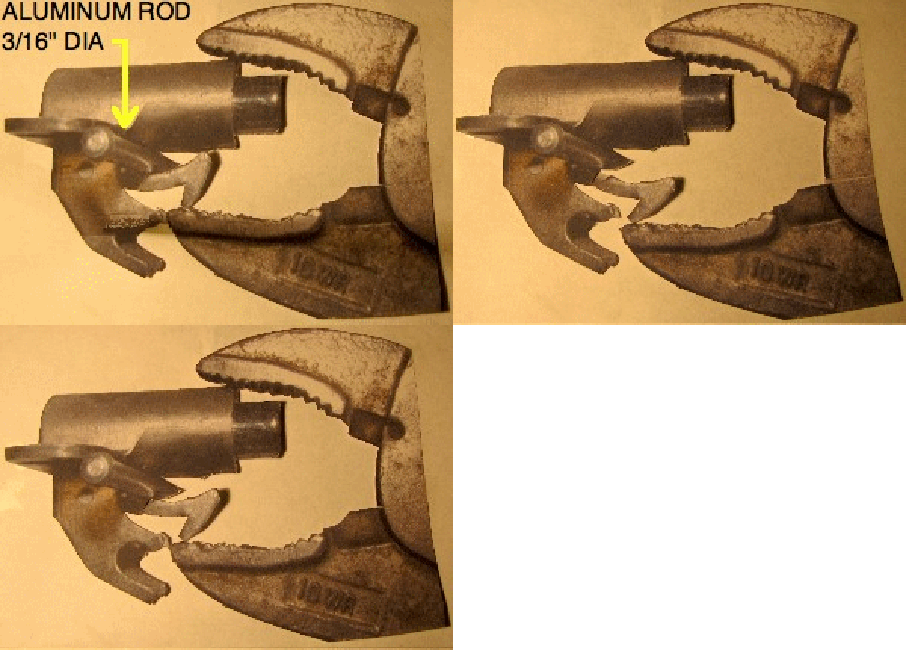
<p>Classic muscle cars from the 1960s and 1970s use a purely mechanical glove box latch. Unlike modern electronic systems, these latches rely on springs, levers, and a striker to keep the door closed and pop it open on demand. Understanding how the latch works makes troubleshooting, maintenance, and replacement straightforward. This article breaks down the components, operation, common failures, and practical fixes for the glove box latch on a classic muscle car.</p>
<h2>Core Components of the Glove Box Latch</h2>
<p>A typical classic muscle car glove box latch consists of a few simple parts. Knowing each one helps diagnose problems quickly.</p>
<ul>
<li><strong>Latch assembly</strong> – The main housing that holds the button or lever, the catch, and the spring. It mounts to the glove box door.</li>
<li><strong>Striker plate</strong> – A metal tab or loop attached to the dashboard or glove box opening. The catch grabs this to hold the door closed.</li>
<li><strong>Catch pawl</strong> – A pivoting metal hook that engages the striker. It moves when you press the button or pull the lever.</li>
<li><strong>Spring</strong> – A torsion or coil spring that returns the button/lever to its resting position and keeps the catch engaged.</li>
<li><strong>Lock cylinder</strong> – Optional on many models. When locked, it blocks the button or lever from moving, preventing the catch from releasing.</li>
<li><strong>Mounting hardware</strong> – Screws or rivets that secure the latch to the door and the striker to the dash.</li>
</ul>
<p>These parts are usually made of stamped steel, die-cast zinc, or plastic. Plastic components are common in later muscle cars and are prone to brittleness over time.</p>
<h2>How the Latch Mechanism Operates</h2>
<p>The operation is simple and direct. When you press the button or pull the lever, you create a mechanical force that moves the catch pawl.</p>
<ul>
<li><strong>Unlocking action</strong> – If the glove box is locked, the lock cylinder blocks the button or lever. Turning the key aligns the cylinder’s tumblers, allowing the button to depress or the lever to move.</li>
<li><strong>Release stroke</strong> – Pressing the button pushes a rod or cam. Pulling the lever rotates a shaft. Either motion pivots the catch pawl away from the striker.</li>
<li><strong>Spring return</strong> – Once you release the button or lever, the spring pushes it back to the rest position. The catch pawl swings back, ready to engage the striker when the door closes.</li>
<li><strong>Closing action</strong> – When you push the door shut, the striker slides past the catch pawl. The pawl is spring-loaded to snap over the striker, locking the door closed.</li>
<li><strong>Pop-open feature</strong> – Many classic muscle cars have a small spring or rubber bumper that pushes the door slightly open when the latch releases. This prevents the door from staying flush and hard to grip.</li>
</ul>
<p>Some latches use a two-stage design: a light press releases the catch, but you need to pull the door to fully open it. Others are single-stage. The principle remains the same.</p>
<h2>Common Failure Points and Troubleshooting</h2>
<p>Even simple mechanisms wear out. Here are the most frequent problems and how to identify them.</p>
<ul>
<li><strong>Broken or weak spring</strong> – The button or lever feels loose, or the catch does not return to engage the striker. The door may not stay closed.</li>
<li><strong>Worn catch pawl</strong> – The metal hook becomes rounded or bent. It slips off the striker, causing the door to pop open while driving.</li>
<li><strong>Misaligned striker</strong> – The striker plate bends or shifts. The catch cannot grab it properly. The door may rattle or require slamming.</li>
<li><strong>Sticky button or lever</strong> – Dirt, old grease, or rust seizes the pivot points. The button feels stiff or does not move at all.</li>
<li><strong>Broken plastic components</strong> – Plastic levers, tabs, or housings crack. The latch may fall apart or fail to release.</li>
<li><strong>Lock cylinder issues</strong> – The cylinder jams or the key breaks. The button cannot be pressed even when unlocked.</li>
</ul>
<p><strong>Troubleshooting steps:</strong></p>
<ol>
<li>Test the button or lever without the door closed. If it moves freely, the issue is likely alignment or the striker.</li>
<li>Inspect the striker for wear or bending. Adjust it slightly with a hammer or replace it.</li>
<li>Lubricate the pivot points with white lithium grease. Avoid WD-40, which attracts dust and gums up.</li>
<li>Check the spring. If it is stretched or broken, replace it.</li>
<li>For a stuck closed door, remove the glove box liner or reach behind the dash. Use a slim tool to push the catch pawl away from the striker manually.</li>
</ol>
<h2>Maintenance and Replacement Tips</h2>
<p>Regular maintenance prevents most latch failures. When replacement is needed, follow these practical tips.</p>
<ul>
<li><strong>Lubricate annually</strong> – Apply a small amount of white lithium grease to the button shaft, catch pivot, and striker contact point.</li>
<li><strong>Adjust the striker</strong> – Loosen the striker screws and move it slightly up, down, or sideways until the door closes with a firm click and no rattle.</li>
<li><strong>Replace springs proactively</strong> – If the spring looks rusty or feels weak, replace it before it fails.</li>
<li><strong>Use correct replacement parts</strong> – Classic muscle car latches are model-specific. Source from reputable restoration suppliers. Universal latches rarely fit or function correctly.</li>
<li><strong>Handle plastic parts carefully</strong> – If your latch has plastic components, avoid forcing them. Warm the plastic slightly with a hair dryer before prying to reduce breakage risk.</li>
<li><strong>Replacement procedure</strong> – Remove the glove box door by unscrewing the hinge or latch screws. Disconnect any linkage. Install the new latch, then adjust the striker for smooth operation.</li>
<li><strong>Emergency opening</strong> – If the latch fails closed, remove the glove box liner (often cardboard or plastic) to access the back of the latch. Push the catch pawl directly to release the door.</li>
</ul>
<p>For locked-out situations, a locksmith can sometimes pick the cylinder, but often it is easier to remove the latch from behind.</p>
<h2>Conclusion</h2>
<p>The glove box latch on a classic muscle car is a simple mechanical device, but its parts wear out over decades. Understanding the striker, catch, spring, and lock cylinder helps you diagnose why a door won’t open, won’t stay shut, or rattles. Regular lubrication, striker adjustment, and prompt replacement of weak springs keep the latch working reliably. With this knowledge, you can maintain one small but important piece of your muscle car’s interior.</p>