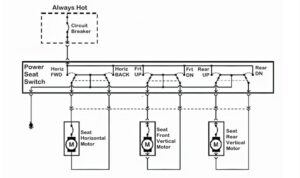
<p>A broken power seat switch is more than a minor inconvenience in a fleet van; it is a safety and operational issue. When the switch fails, the seat often gets stuck in a position that is uncomfortable or unsafe for the driver, leading to fatigue, reduced visibility, or inability to reach the pedals properly. Since fleet vehicles are driven by multiple employees of varying heights, a non-functional seat switch can render the van temporarily out of service. Addressing the problem quickly requires a systematic approach that prioritizes driver safety, minimizes downtime, and controls repair costs.</p>
<h2>Immediate Safety and Operational Steps</h2>
<p>Before attempting any repairs, ensure the vehicle is in a safe state and the immediate driving risk is managed.</p>
<ul>
<li><strong>Park and Secure the Vehicle:</strong> Move the van to a safe location away from traffic. Set the parking brake, turn off the ignition, and remove the key.</li>
<li><strong>Assess Driver Safety:</strong> If the seat is stuck in a position that prevents safe operation (e.g., too far from pedals or too close to the steering wheel), do not allow the vehicle to be driven. The van must be taken out of service until the issue is resolved.</li>
<li><strong>Check for Simple Obstructions:</strong> Sometimes, the switch is not broken but blocked. Inspect the switch and the seat track for debris, loose objects, or cargo that might be jamming the mechanism.</li>
<li><strong>Locate the Fuse:</strong> Consult the fleet van’s owner manual to find the fuse box diagram. A blown fuse for the power seat circuit can mimic a broken switch. Replacing a blown fuse is a quick, low-cost fix that may restore function.</li>
<li><strong>Document the Issue:</strong> Create a maintenance ticket immediately. Note the van’s VIN, mileage, and the specific seat (driver or passenger) affected. This ensures the repair is tracked and prioritized.</li>
</ul>
<h2>Diagnosing the Switch vs. the Motor</h2>
<p>It is easy to assume the switch is the culprit, but the problem could lie elsewhere in the circuit. A proper diagnosis prevents unnecessary parts replacement.</p>
<ul>
<li><strong>Listen for the Motor:</strong> When you press the switch, listen for a clicking sound or a faint hum from the seat motor. If you hear the motor trying to engage but the seat does not move, the switch might be working, but the motor or the seat track mechanism is jammed or broken.</li>
<li><strong>Test for Power at the Switch:</strong> Use a multimeter to check for voltage at the switch connector. If power is present when the switch is pressed, the switch is likely receiving power. If no power is present, check the wiring harness and fuses.</li>
<li><strong>Inspect the Switch Mechanism:</strong> Remove the switch from its housing (if accessible) and inspect for signs of corrosion, melted plastic, or loose connections. Fleet vans often endure heavy use and spills, which can corrode electrical contacts.</li>
<li><strong>Check the Ground Connection:</strong> A poor ground connection can cause the switch to fail. Locate the ground wire for the seat circuit and ensure it is clean and tightly fastened to the chassis.</li>
</ul>
<h2>Repair and Replacement Options</h2>
<p>Once you have confirmed the switch is faulty, you must choose the most efficient repair method for your fleet.</p>
<ul>
<li><strong>Replace the Switch:</strong> This is the most common solution. Order a replacement switch that matches the make, model, and year of your fleet van. OEM parts are recommended for reliability, but high-quality aftermarket switches can be cost-effective for older vehicles.</li>
<li><strong>Replace the Entire Seat Control Module:</strong> In some modern vans, the switch is integrated into a control module. If the switch is not sold separately, you may need to replace the entire module. This is more expensive but ensures compatibility.</li>
<li><strong>Manual Seat Conversion:</strong> For fleet vans where power seats are not a critical requirement, converting to a manual seat track can be a permanent fix. This eliminates the electrical component entirely and reduces future maintenance costs.</li>
<li><strong>Temporary Fixes:</strong> If a replacement part is not immediately available, you can manually adjust the seat to a safe position for the primary driver. Disconnect the switch to prevent further electrical issues and secure the seat in place. However, this is only a temporary measure and should not be used for long-term fleet operations.</li>
</ul>
<h2>Preventive Maintenance for Fleet Vans</h2>
<p>Fleet vehicles endure constant use, so preventing power seat failures is more cost-effective than repeated repairs.</p>
<ul>
<li><strong>Regular Inspections:</strong> Include power seat switches in routine maintenance checks. Look for loose wiring, corrosion, or signs of wear.</li>
<li><strong>Educate Drivers:</strong> Instruct drivers to avoid slamming the seat back or forcing the switch when the seat reaches its limit. This can strip gears or burn out the motor.</li>
<li><strong>Keep Interiors Clean:</strong> Spills and debris are common causes of switch failure. Encourage drivers to keep the cab clean and report spills immediately.</li>
<li><strong>Use Dielectric Grease:</strong> When replacing a switch, apply dielectric grease to the connections to protect against moisture and corrosion.</li>
<li><strong>Standardize Parts:</strong> If your fleet uses the same model of van, keep spare switches in inventory. This reduces downtime when a failure occurs.</li>
</ul>
<h2>Conclusion</h2>
<p>A broken power seat switch on a fleet van is a manageable problem if addressed promptly and systematically. Prioritize driver safety by taking the vehicle out of service if the seat position is unsafe. Diagnose the issue accurately to avoid replacing parts unnecessarily. Choose a repair option that balances cost, reliability, and fleet needs. Finally, implement preventive maintenance to reduce the likelihood of future failures. By following these steps, fleet managers can keep their vans on the road and their drivers safe.</p>