Using the correct viscosity grade ensures proper lubrication and maintains fuel efficiency across all operating temperatures.
All bmw m3 generations require full synthetic oil
Older models may specify different viscosities based on engine design, with naturally aspirated engines typically using higher viscosity oils.
Find the exact engine oil type, fluid capacity, and drain plug torque for the 2015 bmw m3
Verified factory maintenance specifications and full synthetic motor oil viscosity guide.
Conventional oil is a mineral oil that is derived from petroleum
It is more affordable than synthetic oil and does a good job of protecting your engine.
For 2010+ bmw m3 models, full synthetic is strongly recommended (and often required)
Older models can typically use conventional, but synthetic provides better protection, longer drain.
As a bmw owner, it’s important to know that bmws use only full synthetic oil
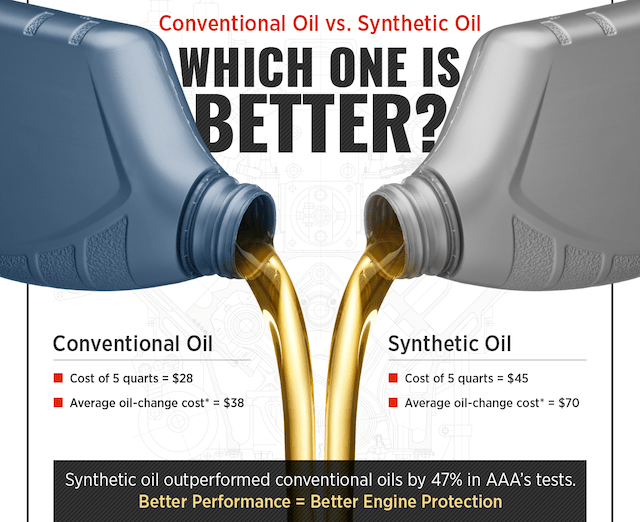
Yes, synthetic oil is better for your engine than conventional oil
Although conventional oil (i.e., mineral oil) can provide adequate lubrication performance, it can’t compete with the overall engine.
We would like to show you a description here but the site won’t allow us.
If you’re wondering about the differences between synthetic and regular oil, this guide is.
When choosing between synthetic blend and full synthetic motor oils, the main difference hinges on their composition and performance
Learn the key differences between conventional, synthetic blend, and full synthetic oil to choose the best one for your engine.
Synthetic oil versus conventional oil in your car engine
Which type of motor oil to use in your car's engine, diy with scotty kilmer